Find the best estate agent near you Start here
Mould or mildew around windows and doors, a musty smell, and discoloured patches on wallpaper and walls are just some of the tell-tale signs of damp in your home. Here we look at how to identify the different types of damp, how to treat damp, the cost of damp proofing and what to do if a homebuying survey shows signs of damp.

KEY INFORMATION

If you spot damp, it is important to deal with it as soon as you can. If you leave it, it can lead to major problems in your home, especially if the dampness is in contact with structural timber elements over a long time.
This damp can lead to rot which will make the damp problem much more expensive to fix. Living in a damp home can also be bad for your health.
If you suspect your house has damp, it is crucial that the issue is correctly investigated and that the type of damp causing the problem is established before taking any action. This is because different types of damp often require different solutions.
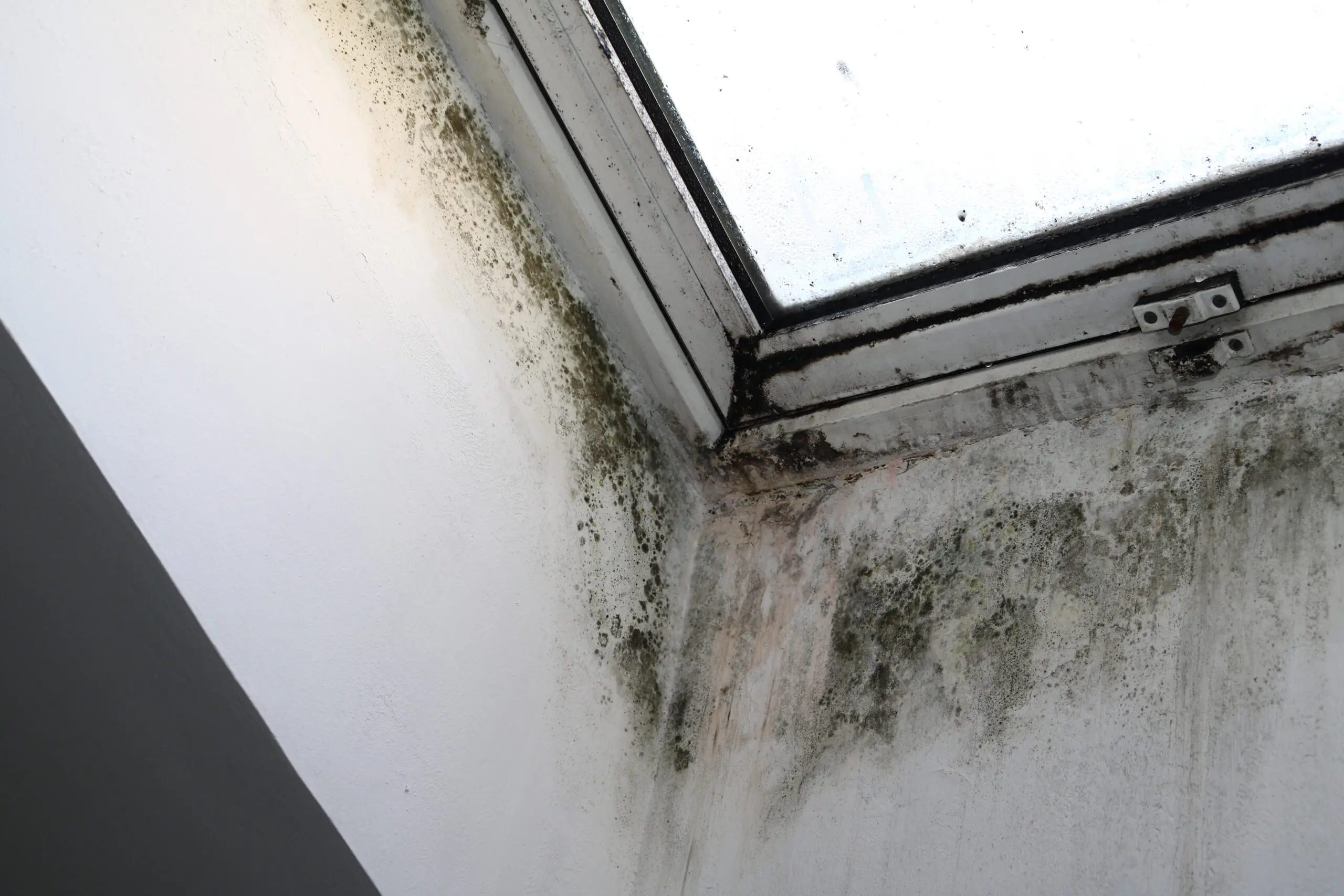
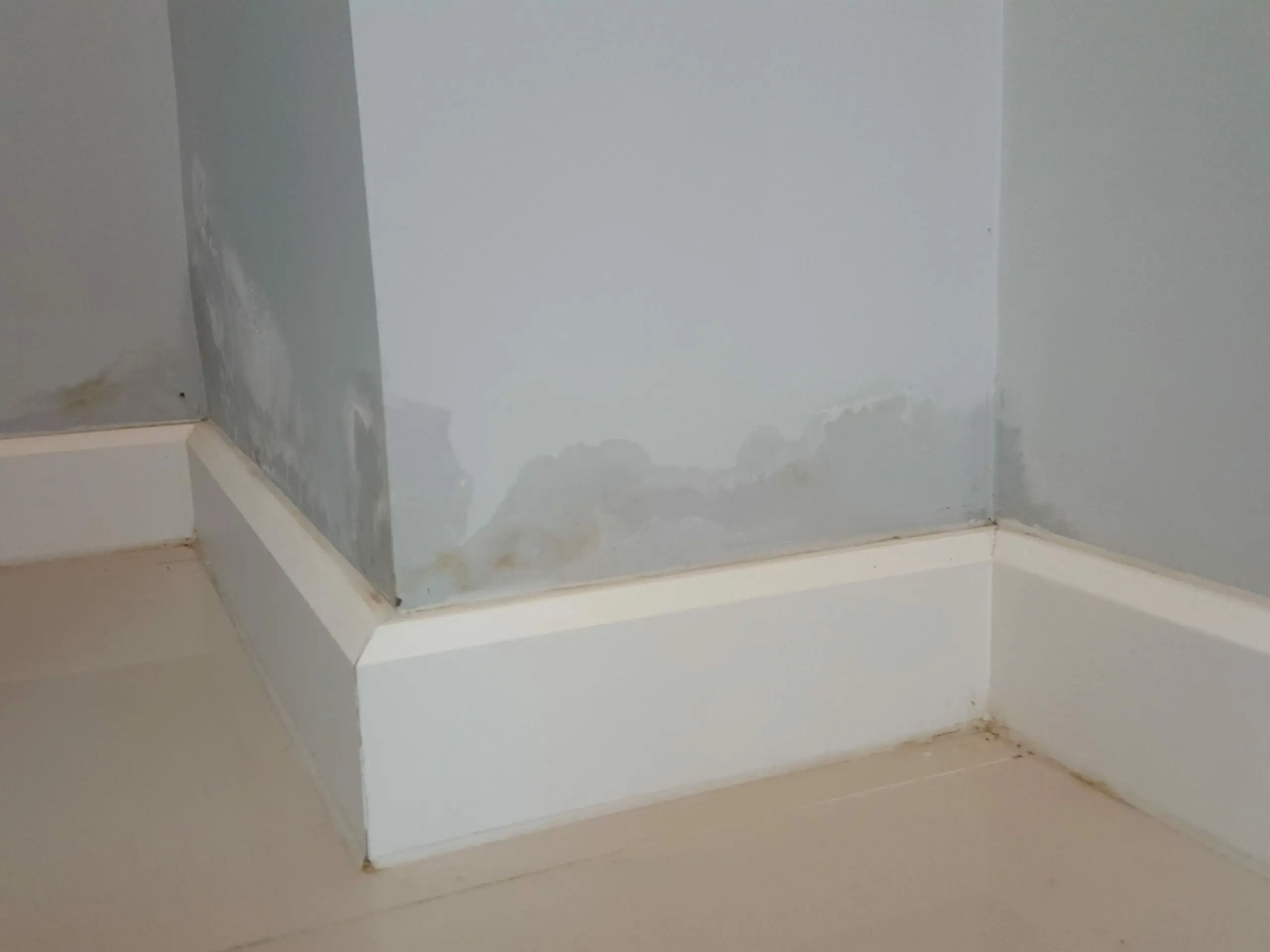
Penetrating damp is normally the result of external defects on the home that allow water to enter the building fabric. Typical property or building external defects that may lead to rainwater penetration include:
The extent of the problem will be dependent on the type of defect.
If you’re unsure about the cause, a professional dampness survey can provide a clear diagnosis before any treatment is carried out.

The sooner you deal with damp, the easier and cheaper it will be to fix. You will also reduce the risk of the damp causing other problems with your home. It can be a bit like toothache – the longer you leave it, the more painful and costly it is to fix.
The treatment of any damp depends on what is causing the issue. This may not be straightforward as there can be multiple causes. It may be possible that you can treat the damp yourself, but if the problem is more serious, you may need to commission a damp specialist.
The main way of addressing condensation is by producing less water and steam in your home and by improving extraction and ventilation.
It’s tricky to treat penetrating damp unless you are a skilled tradesman and have knowledge of how to fix the issue.
However, that does not mean you cannot potentially locate and fix the source of the moisture to help remedy the damp issue affecting your home.
If you are able to locate and fix the source of the damp, such as gutter or downpipe issues, then you are likely to go some way to resolving the problem. However, you may need a damp control specialist depending on the defect and the extent of the damage.
If you suspect you have rising damp, the first thing to do is try and locate if your building has a damp proof course. This may not be easy to find, but you should be able to trace this around the outside of your building.
Not all buildings will have one, but if you are able to find one, make sure it isn’t buried beneath high ground levels like flower beds and paths. Resolving rising damp can be as simple as removing these “bridges”.
However, if you are unsure about any form of dampness, its cause or solution, speak to a reputable contractor, such as a Property Care Association-approved damp control specialist.
You may need a damp survey if:
A damp survey (also known as a dampness survey) is a focused inspection designed to diagnose the cause of moisture problems, not just confirm that damp is present.
Unlike a standard homebuyer survey, which may only flag signs of damp, a dampness survey, or damp survey, investigates:
Getting an accurate diagnosis is essential. A professional damp survey can prevent unnecessary damp-proofing work and ensure the correct treatment is recommended.
A RICS Home Survey Level 2, previously called a Homebuyer survey, or a RICS Level 3 Building Survey will flag signs of damp, but surveyors do not usually investigate the root cause in detail.
If damp is identified, the survey will often recommend a further specialist damp survey. This allows a qualified damp expert to carry out more detailed testing and confirm what treatment, if any, is needed.
If damp isn’t going away after you have tried the suggestions to address the potential source of the damp, it’s time to call in a specialist to survey your home. They will give you their recommendations on how to solve the damp and the costs involved.
It is important to get at least 3 quotes to ensure you are happy with the price and the extent of the works they are proposing. You could ask for recommendations from family, neighbours or local community groups.
It’s also a good idea to check that the company is a member of the Property Care Association, the trade association for specialists. This will give you extra protection as they will have achieved qualifications, offer insurance-backed guarantees as well as be able to guarantee your deposit for damp proofing and other major works.
Find a local Property Care Association-approved damp control specialist today.
A standalone damp survey in the UK typically costs between £200 and £600, depending on the size of the property and the level of investigation required. For peace of mind, look for a Property Care Association-approved specialist.
The cost of damp-proofing your property will depend on lots of factors including its size and age and how bad the problem is. You can fix some damp problems by simple changes, but others could cost significantly more and depend on the type of damp.
Prevention is always better than the cure. There are several things you can do to prevent damp from appearing in your home such as:
All home insurance policies vary, but usually they do not include damp or mould treatment. This is because it is seen as general ‘wear and tear’ that can occur in a property and therefore not an unexpected issue which can be covered by insurance.
When you buy a new home insurance policy you will need to agree to a list of assumptions about the property including that it is in a good condition. You will need to declare damp when you buy the policy as, if you have damp, this means the property is not in a good condition.
When you are buying a house and get a HomeBuyers Report (level 2) or Building Survey (level 3), both ofthese surveys include tests for damp in the walls. A full Building Survey will also look at the condition of the existing damp proofing. Learn more about surveys in our guide What type of survey should I have?
If the house survey finds damp, in most cases your surveyor will recommend a specialist damp survey to confirm the cause and extent of the issue. Next, get a few quotes from damp specialists on how much it will cost to fix the problem. Naturally, you’ll need the seller to agree to the surveyor and specialists visiting their property.
When you have these quotes, you can negotiate the price with the seller of the property or ask them to fix the issue before the sale is completed. If they choose to do this, make sure you see proof of the work being carried out by a registered tradesperson. See what else you can do if problems are flagged in our what to do if you receive a bad survey report.
Thank you to the Property Care Association for their help in producing this guide and providing some of the photos.
Property Care Association-approved damp control specialists can be trusted to resolve damp issues efficiently and effectively. Find a local expert near you.
A dampness survey is a specialist inspection that focuses specifically on diagnosing moisture problems in a property.
HomeOwners Alliance Ltd is registered in England, company number 07861605. Information provided on HomeOwners Alliance is not intended as a recommendation or financial advice.
Mortgage service provided by London & Country Mortgages (L&C), Unit 26 (2.06), Newark Works, 2 Foundry Lane, Bath BA2 3GZ, authorised and regulated by the Financial Conduct Authority (FRN: 143002). The FCA does not regulate most Buy to Let mortgages. Your home or property may be repossessed if you do not keep up repayments on your mortgage.
HomeOwners Alliance Ltd is an Introducer Appointed Representative (IAR) of LifeSearch Limited, an Appointed Representative of LifeSearch Partners Ltd, authorised and regulated by the Financial Conduct Authority. (FRN: 656479).
Independent Financial Adviser service is provided by Unbiased, who match you to a fully regulated, independent financial adviser, with no charge to you for the referral.
Bridging Loan and specialist lending service provided by Chartwell Funding Limited, registered office 5 Badminton Court, Station Road, Yate, Bristol, BS37 5HZ, authorised and regulated by the Financial Conduct Authority (FRN: 458223). Your property may be repossessed if you do not keep up repayments on a mortgage or any debt secured on it.