Find the best estate agent near you Start here
As temperatures drop, it’s natural to want to keep the windows shut and the heat in. But cooking, showering and drying clothes all add moisture to the air. If it can’t escape, it may contribute to condensation and mould.
The Property Care Association’s Big Air Out: It’s good to vent campaign runs from 26 October to 1 November. Its daily videos share practical advice on ventilation, including using extractor fans, keeping air moving and managing moisture while keeping your home warm.
The latest English Housing Survey found that 7.7 million households (31%) reported that they had an issue with condensation, damp, or mould in their home.
Surveyors recorded a serious damp problem in 6% of homes in England in 2024 to 2025, around 1.4 million homes. The survey counts damp that is serious enough to be considered in a housing health and safety assessment.
Small changes to your daily routine can help manage moisture and improve airflow:
Good ventilation doesn’t mean leaving windows open all day or losing valuable heat. The aim is to let fresh air in and excess moisture out.
Follow the PCA’s Big Air Out videos on Instagram.
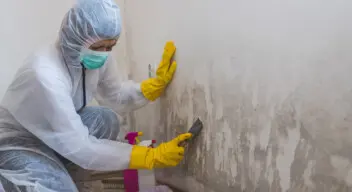
Condensation is common. It can show up as water droplets on windows or walls, or mould around windows and behind furniture, particularly on external walls. Improving ventilation and managing moisture can help.
But damp has other possible causes. Rising damp may leave a tide mark or salt deposits low down on a wall. Penetrating damp can be linked to defects such as a leaking gutter, damaged roof covering or cracked pointing. Different causes need different solutions, so it’s best to identify the source before arranging remedial work.
A musty smell, discoloured patches, peeling wallpaper and recurring mould can all be signs of a damp problem. If it keeps coming back despite improving ventilation, or you’re unsure what’s causing it, consider getting professional advice.
Our Property Care Specialist service can help you find a PCA-approved damp control specialist to investigate the cause and advise on the right next steps.
Get expert advice and treatment of damp, invasive species, spray foam insulation and more

For more information on spotting damp, understanding its causes and what you can do, read Damp in the house and how to fix it.
 October 14, 2026
October 5, 2026
October 1, 2026
October 1, 2026