


Find the best estate agent near you Start here
Trying to keep your home warm in the colder months can send energy bills soaring. Here’s what you can do to use less energy while keeping your home cosy. Read on for our budget-friendly top tips of how to keep a house warm in winter.


There’s a wide range of things you can do now to help keep your home warm in the winter months while keeping energy bills down too. Here’s how to do it.
One of the most effective ways to keep your house warm in winter is to insulate your home. The best place to start is usually the loft as a quarter of a house’s heat is typically lost through the roof if it’s uninsulated. Loft insulation most commonly involves using blanket rolls of insulation laid on the loft floor.
The average cost of installing loft insulation in a semi-detached house is around £750 and it can save an average of £190 a year on energy bills, according to Energy Saving Trust. See our guide to insulation costs.
Or, if you are a keen DIYer, you could cut the costs further by insulating your loft space yourself. There are lots of online guides, such as this one from B&Q, on how to do this safely and helping you work out the right amount of loft insulation you need to buy.
You may also be able to get financial support towards the cost of loft insulation (and other energy-efficiency measures) or even get it for free if you’re eligible. Find out more in our guide on Energy grants and how to get them. And make sure any type of insulation is suitable for your home. Find more in our guide How to make your home more energy efficient.
A word of warning: You may have heard of spray foam roof insulation, but we are warning homeowners not to install this product for the time being as many homeowners have had problems remortgaging and selling their homes on. You can read more in our guide on spray foam here
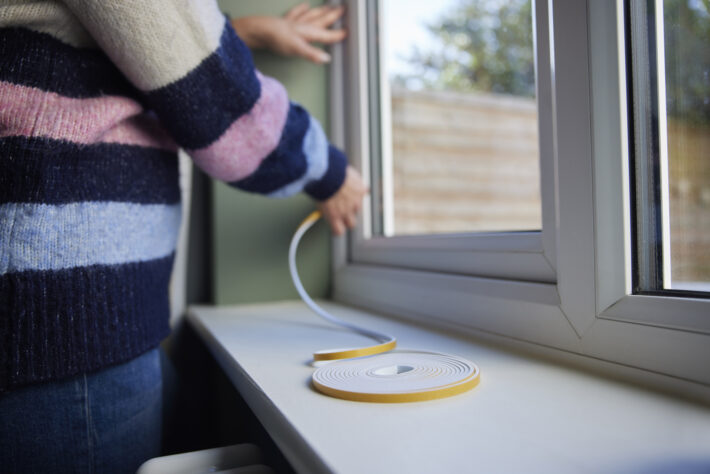
When you’re trying to keep your house warm, the last thing you’ll want is for heat to escape and for cold air to get in. So a simple way to keep a house warm in winter is to check around your doors and windows for draughts and if you feel cold air seeping in, then install draught-proofing measures to fix the problem.
For example, if there’s a gap between a window and the frame you can fill it with self-adhesive foam strips, which are easy to install. While with your external front door, fitting a letterbox flap or brush and a keyhole cover may stop more draughts getting in.
Costs vary depending on whether you do it yourself or get a professional in. Draught-proofing around your windows and doors could save you around £25 a year on energy bills as well as making your home more cosy.
You may be able to save on the cost of keeping your house warm by making sure you’re on the cheapest energy deal. Read our guide on how to compare energy deals.
If your radiators have cold spots or don’t fully heat up, it could mean they need bleeding in order for them to work more efficiently. But if your radiators still aren’t heating up properly after bleeding them, it’s a good idea to call in an expert.
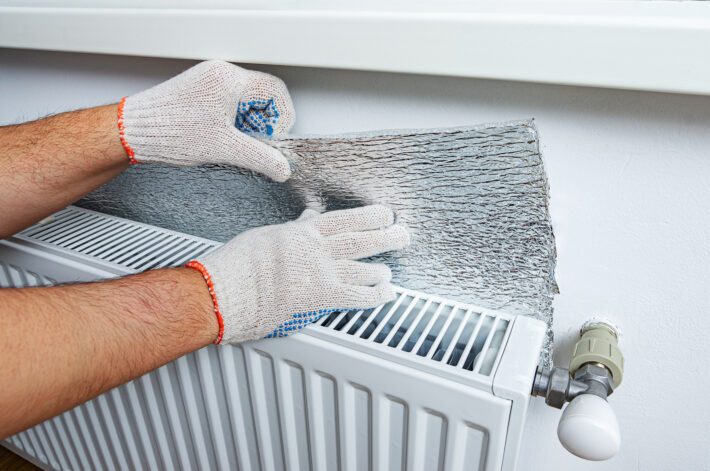
Once you’ve made sure your radiators are working properly, the next step in how to keep a house warm in winter is to install radiator reflector panels behind radiators on external walls. These reflect heat back into the room. In fact, installing reflective radiator panels in a house with uninsulated solid walls could save you up to £18 a year on bills in Great Britain, according to Energy Saving Trust. You can buy a roll of radiator heat reflector foil from around £7 from DIY stores and, from personal experience, they’re super easy to install.
If you have large pieces of furniture like a sofa pushed up against or very close to a radiator it can reduce how effective your radiator will be in heating the room. So make sure there’s enough of a gap between your furniture and your radiators so that the heat can flow around the room properly. The recommended gap between a sofa and a radiator is 30 cm to ensure proper heat distribution and airflow.
Making sure your boiler has an annual service helps to ensure that it is running as efficiently and safely as possible. Also, regular servicing can extend the life of your boiler too. So book yours in now, preferably before it gets too cold and local engineers are all booked up.
You can find a qualified local boiler engineer today with our partners at the Federation of Master Builders.
Find local builders with our partner the Federation of Master Builders.
When you’re heating water, make sure it stays hotter for longer by insulating your hot water tank. Hot water cylinder jackets cost around £25 to buy.
Even if your cylinder already has insulation, adding an 80mm jacket to one with 25mm foam insulation could save around £45 a year on energy bills in Great Britain, says Energy Saving Trust.
Be sure to insulate your hot water pipes too. This helps reduce heat loss and helps to protect pipes in cold areas, such as lofts, from freezing.
Another way to keep a house warm in winter while cutting costs is to see if you can turn down your boiler’s flow temperature. This is the temperature of the water it sends to your radiators. If you have a combi boiler you could try reducing the radiator flow temperature to 60°C.

When you’re looking at how to keep a house warm in winter, consider getting a smart thermostat installed. These connect your heating system to the internet, which means you can control the temperature from devices like mobile phones. Smart thermostats can help cut energy bills because you can control your heating remotely, so that you only use the energy you need, when you are in.
Options include smart thermostats from Hive and Tado. Compare the cost of the kit and installation, check it works with your heating system and find out whether any features require a subscription before buying.
Staying warm in your house while keeping a lid on energy bills is about finding the lowest temperature you’re comfortable at. Try setting your thermostat 1 degree lower to see if you still find the temperature comfortable – turning it down from 22°C to 21°C could save around £120 a year in Great Britain, according to Energy Saving Trust.
You may find this temperature is between 18°C and 21°C.
Hanging heavyweight curtains can be a very effective way of keeping a house warm in winter, especially if they’re thermal. They can also help block draughts and act to block out light too. Thermal curtains can also help keep your house cool in the summer.
Thermal curtains are widely available, such as these Luna Brushed Blackout Pencil Pleat Curtains from Dunelm, from £30-£130. While M&S offers a range of ‘Temperature Smart Curtains’ designed to keep your home warm, including these Velvet Pencil Pleat Curtains, £35-£139. If you don’t want to buy new curtains, you may consider adding thermal lining to existing curtains.
You’ll keep even more warmth in your home if you pair heavy curtains with plantation shutters or fit with blinds. You can even get thermal blinds now for added protection around windows.
Make sure you close your blinds and curtains in your home as soon as it gets dark in order to keep as much warmth in as possible.
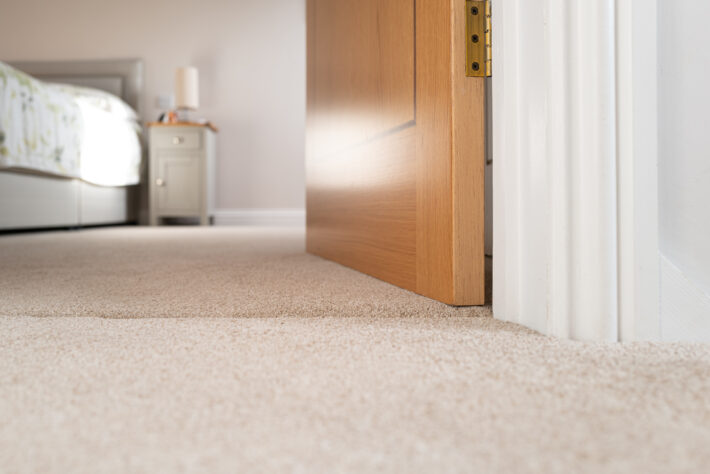
If you’re replacing flooring in a room, bear in mind that carpet can help keep your home warmer than luxury vinyl tiles (LVT) and hard wood. This is because carpets are made from fibrous materials that act as insulation. Getting the right underlay fitted under your carpet can help keep your rooms warmer too.
If you have hard floors, an easy and relatively cheap way of keeping your house warm in winter is to lay some rugs down. Ideally, opt for wool rugs as wool is a natural insulator.
If you prefer stripped floorboards, make sure that any small gaps in between the boards are filled in to stop draughts getting in through the gaps. You can buy a number of products to help you with this, such as Draughtex Floorboard Gap Filler, available at Amazon. You push it between the boards to seal any gaps and it’s available in a number of different widths.
If you find gaps between your floors and skirting boards, you can seal the gap yourself with a tube of sealant bought at DIY stores, making it one of the cheap ways to keep a house warm.
If you have an open fireplace, getting a chimney draught excluder to prevent warm air going up as well as stopping cold air getting in when you’re not using it could save you money. You can get different types, from chimney balloons to these wool chimney draught excluders from Chimney Sheep. But don’t forget to remove the draught excluder when you light a fire!
If your house is poorly insulated, it’s difficult to keep it warm without improving the insulation. Find out more about whether you can get this for free or at reduced price in our guide Energy grants and how to get them. However, draught-proofing around doors, windows and chimneys, hanging heavyweight curtains and filling any gaps in floorboards and laying rugs on hard floors are all ways that will help to keep a poorly insulated house warm.
Smart meters measure how much gas and electricity you’re using and send those readings to your energy supplier. You can monitor your energy usage on your smart meter’s in-home display screen.
By comparison, a smart thermostat lets you control your heating from your smartphone or tablet. They usually offer additional features too designed to help you reduce your energy usage.
HomeOwners Alliance Ltd is registered in England, company number 07861605. Information provided on HomeOwners Alliance is not intended as a recommendation or financial advice.
HomeOwners Alliance Ltd is an Introducer Appointed Representative of Mortgage Advice Bureau (Derby) Limited which is authorised and regulated by the Financial Conduct Authority.
If you take out a mortgage or protection product through Mortgage Advice Bureau, they pay us a referral fee of 25%. You are not obliged to use their services.
HomeOwners Alliance Ltd is an Introducer Appointed Representative (IAR) of LifeSearch Limited, an Appointed Representative of LifeSearch Partners Ltd, authorised and regulated by the Financial Conduct Authority. (FRN: 656479).
Independent Financial Adviser service is provided by Unbiased, who match you to a fully regulated, independent financial adviser, with no charge to you for the referral.
HomeOwners Alliance Ltd is an Introducer Appointed Representative (IAR) of Fluent Money Limited, which is authorised and regulated by the Financial Conduct Authority. Calls may be monitored/recorded.
HomeOwners Alliance Ltd is an Introducer Appointed Representative (IAR) of Rhino Protect Limited which is authorised and regulated by the Financial Conduct Authority.


