


Find the best estate agent near you Start here
Remortgaging to release equity means you can free up cash you’ve built up in your home. But how do you do it, how much does it cost and what are the pros and cons? We take a look


When you remortgage, you take out a new mortgage deal on the same property. You may switch to a different lender or get a new mortgage with your current lender.
While one major reason to remortgage when your current mortgage ends is to save money, another reason for remortgaging is to release equity from you home. This means taking out a bigger loan against your property in order to free up some of the cash you’ve built up in it.
Remortgaging to release equity is very common; in fact the LMS Monthly Remortgage Snapshot showed that in March 2025, 47% of people who remortgaged increased their loan size, by an average of £20,224.
However, remortgaging to release equity means your debt will increase so it’s a good idea to weigh up the pros and cons and to get fee-free expert advice from a mortgage broker. Read on for more.
Your home may be repossessed if you do not keep up repayments on your mortgage. Please note some branches of Mortgage Advice Bureau may charge a fee for mortgage advice if you go direct. The fee is up to 1% but a typical fee is 0.3% of the amount borrowed. So make sure you use this site, this form or phone number for fee-free advice.
Equity is the proportion of your home that you own. There are two ways your equity can increase:
You can work out your home equity by taking away your outstanding mortgage balance and any outstanding secured loans from the value of your property.
For example, if your home is valued at £400,000 and you have £200,000 left to pay on your mortgage, the amount that’s left is your equity in the property – in this case £200,000.
There are lots of reasons why people remortgage to release equity, such as:
It’s important to note that remortgaging to release equity by taking out a bigger mortgage is different to equity release. Equity release is a way of releasing money from the value of your home if you’re over 55 without having to move out or pay it back during your lifetime. Read on for more on this.
Remortgaging to release equity involves taking out a new mortgage deal on your property that’s bigger than your current one.
Get fee-free mortgage advice from the award-winning expert advisers at Mortgage Advice Bureau.
Get fee-free remortgage advice from the award-winning expert advisers at Mortgage Advice Bureau.
Your home may be repossessed if you do not keep up repayments on your mortgage. Please note some branches of Mortgage Advice Bureau may charge a fee for mortgage advice if you go direct. The fee is up to 1% but a typical fee is 0.3% of the amount borrowed. So make sure you use this site, this form or phone number for fee-free advice.
Your loan to value ratio tells you what proportion of your home is borrowed.
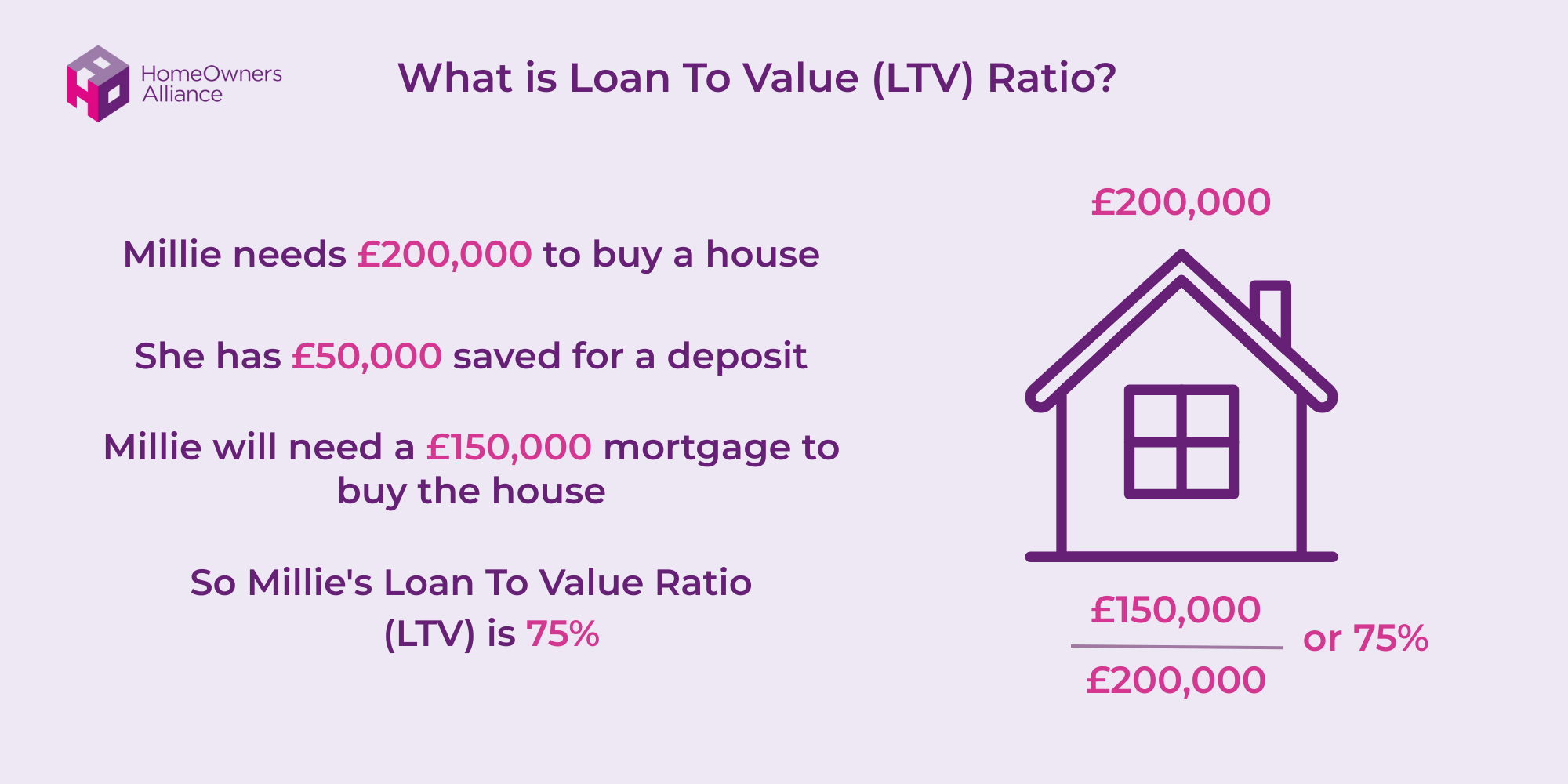
The lower your LTV, the better the mortgage rates you’ll usually get access to. So after 5 years, if the above house has increased in value to £250,000 what happens to your LTV?
Get fee-free mortgage advice from the award-winning expert advisers at Mortgage Advice Bureau.
You’ll need to weigh up the pros and cons of remortgaging to release equity:
Yes, you can take out a mortgage on a property you own outright to release equity from your home. This type of mortgage is called an unencumbered mortgage.
If you’re considering taking out a mortgage against a house you own outright, it’s a good idea to get advice from a mortgage broker.
There are different ways in which you may release equity so that you can buy another property:
Remortgaging to release equity may be worth considering if you have a large amount of equity in your home and want to raise some money. But you should think carefully before increasing the size of your mortgage.
What’s right for you will depend on your circumstances so make sure you take expert advice. Get fee-free advice from the expert advisers at Mortgage Advice Bureau on whether remortgaging to release equity is right for you.
Get fee-free remortgage advice from the award-winning expert advisers at Mortgage Advice Bureau.
Your home may be repossessed if you do not keep up repayments on your mortgage. Please note some branches of Mortgage Advice Bureau may charge a fee for mortgage advice if you go direct. The fee is up to 1% but a typical fee is 0.3% of the amount borrowed. So make sure you use this site, this form or phone number for fee-free advice.
There are some alternative options to remortgaging to release equity you may want to explore:
Equity release is a way of releasing money from the value of your home if you’re over 55 without having to move out or pay it back during your lifetime.
With a lifetime mortgage, you borrow money against the value of your property. The amount you can borrow depends on the value of the property and your age (and that of your partner if it’s a joint scheme).
While with a home reversion scheme, you can sell all or part of the property to a reversion provider. This means that, if your property increases in value and you sell up, you’ll only benefit from that increase on the part of the property you own.
In both cases, you’ll be allowed to stay in your home until you either die or go into long-term care, unless you breach the contract, such as by letting your home fall into disrepair. In those cases, technically, you could be forced to leave. Find out more in our guide Is equity release right for me?
Get fee-free remortgage advice from the award-winning expert advisers at Mortgage Advice Bureau.
Releasing equity by remortgaging usually takes 4 to 8 weeks but it will vary depending on your circumstances.
Yes, you can move house if you remortgage. You’ll do this by either Porting your mortgage. This means moving your existing mortgage to your new property. Or by paying off your mortgage with the money you receive from your sale. And taking out a new mortgage on your new property. Although it’s important to check if you’ll need to pay fees like an Early repayment charge if you do this. Find out more in our guide Selling a house with a mortgage
When you remortgage there are a number of costs you may need to pay including those associated with your new deal such as arrangement fees, mortgage valuation fee and conveyancing fee. And you may need to pay fees to leave your current deal such as an exit fee and early repayment charge. Find out more in our guide Remortgaging costs: How much will you have to pay?
The amount of equity you can release will depend on your personal circumstances and your lender. It’s as good idea to get expert mortgage advice.
Yes, you can release equity from your house by remortgaging. Or you may choose to release equity from your home by downsizing, which means selling up and buying a cheaper property. Once you’re over 55 you may decide to explore equity release options.
LTV stands for Loan to Value ratio and means the proportion of your home is borrowed. For example, if your home is worth £200,000 and has an outstanding mortgage balance of £150,000, your LTV is 75%. The lower your LTV the better rates you’ll usually get access to. The best mortgage rates are usually for those with a 60% LTV or lower.
HomeOwners Alliance Ltd is registered in England, company number 07861605. Information provided on HomeOwners Alliance is not intended as a recommendation or financial advice.
HomeOwners Alliance Ltd is an Introducer Appointed Representative of Mortgage Advice Bureau (Derby) Limited which is authorised and regulated by the Financial Conduct Authority.
If you take out a mortgage or protection product through Mortgage Advice Bureau, they pay us a referral fee of 25%. You are not obliged to use their services.
HomeOwners Alliance Ltd is an Introducer Appointed Representative (IAR) of LifeSearch Limited, an Appointed Representative of LifeSearch Partners Ltd, authorised and regulated by the Financial Conduct Authority. (FRN: 656479).
Independent Financial Adviser service is provided by Unbiased, who match you to a fully regulated, independent financial adviser, with no charge to you for the referral.
HomeOwners Alliance Ltd is an Introducer Appointed Representative (IAR) of Fluent Money Limited, which is authorised and regulated by the Financial Conduct Authority. Calls may be monitored/recorded.


